
Every field story begins with a moment a conversation under a tree, a quiet observation, a shared smile, or a difficult truth. These moments are where real impact lives. Collecting impact stories helps us see change beyond numbers, capturing how work is actually felt and experienced on the ground.
Telling these stories well takes listening, presence, and respect. When done right, field stories don’t just report outcomes; they carry voices, build trust, and remind us why the work matters. Here are five simple ways to make your field stories truly impactful.
1. Get to Know your Projects- thoroughly
Before crafting any narrative, I ensure to get detailed briefings from the project’s team about the issue being addressed, the intervention implemented, and the intended outcomes. I then pair it with insights from the M&E team, understanding assessments, indicators, and data, which helps me create stories that not only evoke emotions but are also accurate and impact-driven.
2. Regular Field Visits for Real Insights
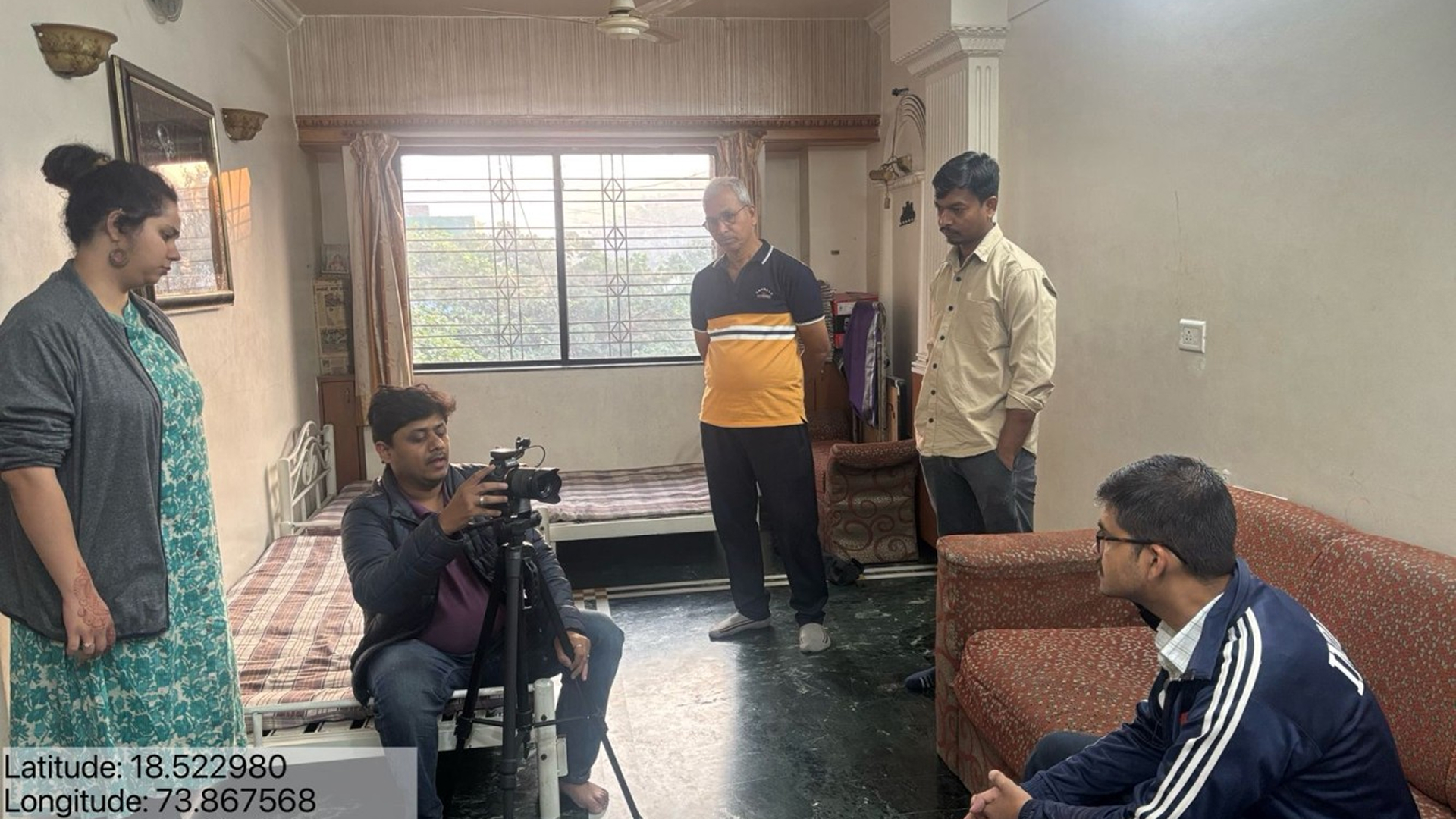
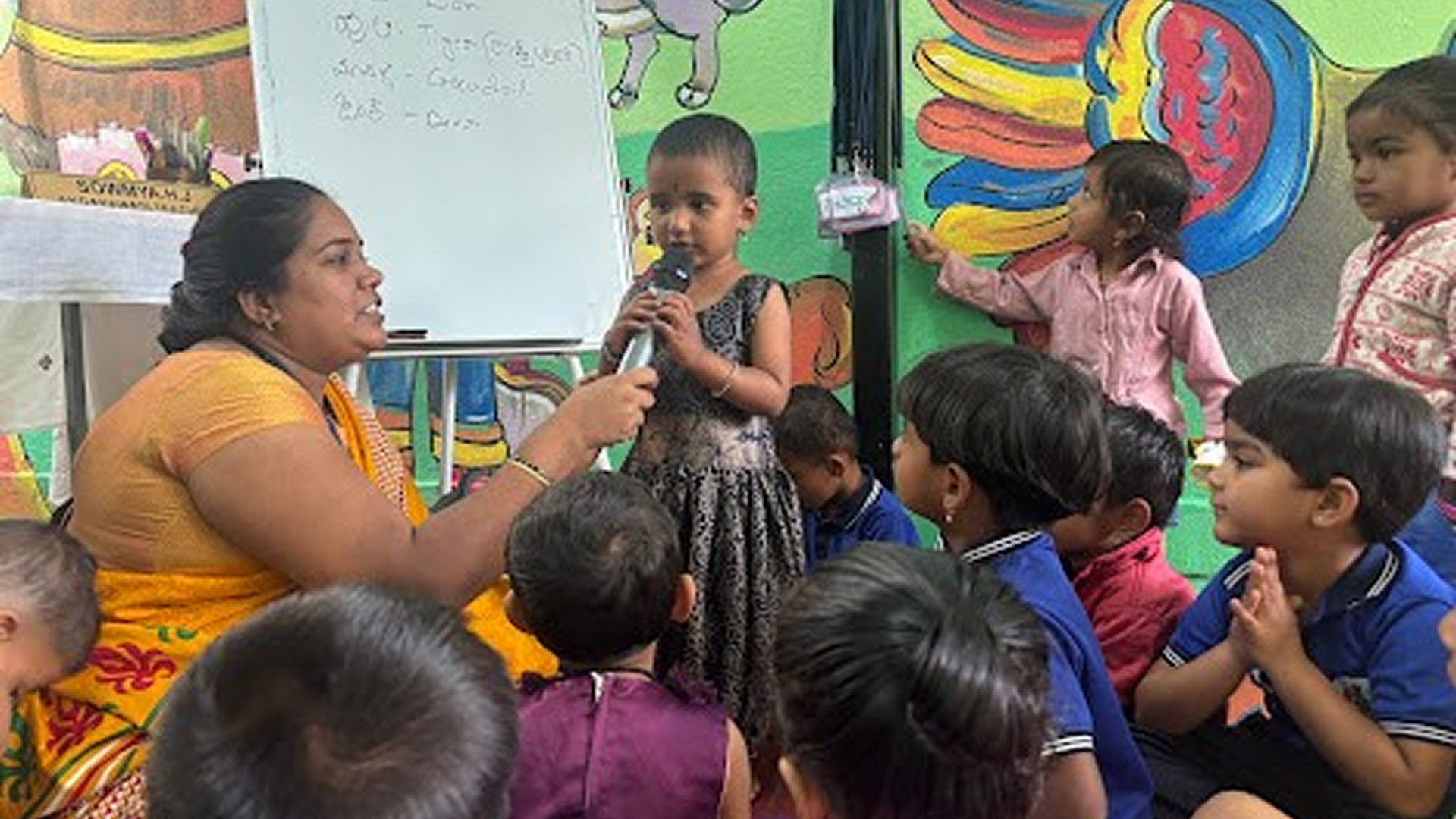
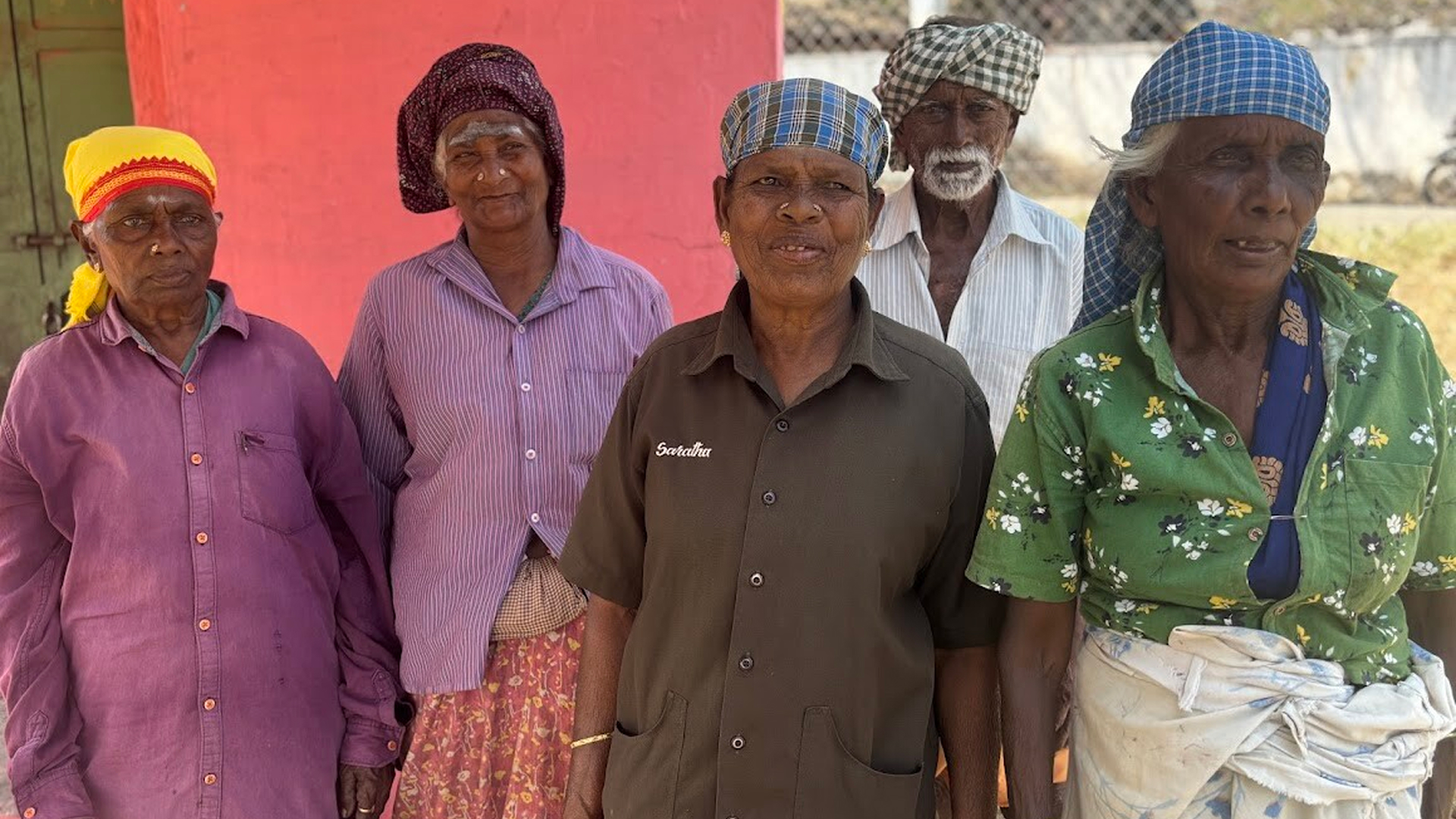
Nothing replaces firsthand experience. Consistent field visits helped me observe the realities, connect with communities, and capture genuine moments that make storytelling grounded and relatable. The more time spent on the ground, the stronger and more authentic the story becomes.
3. Stay Aligned Through Project & M&E Briefings
Before crafting any narrative, get detailed briefings from the project’s team about the issue being addressed, the intervention implemented, and the intended outcomes. Pair this with insights from the M&E team, understanding assessments, indicators, and data, helps you create stories that are not only emotional but also accurate and impact-driven.
4. Strengthen Donor Communications Through Diverse Story Formats
Impactful storytelling also means showcasing funding partners and how their support creates change. Experiment with multi-media format, including short reels, storytelling videos, social media posts, journey documents, newsletters, impact snapshots, and more. Diverse formats help different audiences connect with the work in different ways, building stronger transparency and trust.
5. Encourage Field-Led Story Contributions
Create space for field teams, community members, and local partners to share stories in their own voice, whether in English or vernacular languages. These raw, unfiltered narratives add authenticity and offer multiple perspectives from the ground up.
6. Combine Strong Visuals with Clear, Ethical Narratives
Use real, unstaged photos and videos captured during field visits, paired with clean and simple writing. Stay ethical, seek consent, respect privacy, and avoid exaggeration. A narrative that balances context, challenge, and progress resonates the most.
When stories are rooted in real moments, backed by understanding, and shared ethically, they don’t just communicate impact they build connection.